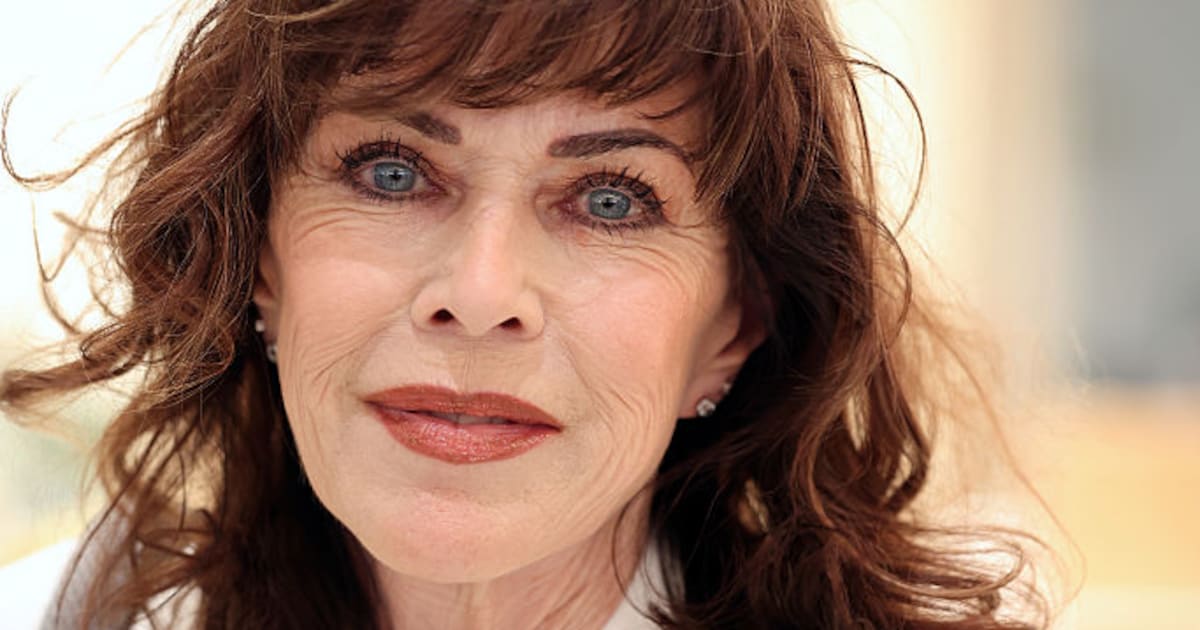
Anja Kruse on Ageism: Why Late-Career Breakthroughs Elude Actresses
Anja Kruse, a name synonymous with beloved German television classics like "Die Schwarzwaldklinik" and "Das Traumschiff," has captivated audiences for decades. From her early fame in the 1980s to her continued presence on stage and screen, Kruse's career trajectory offers a unique vantage point on the evolving — and sometimes troubling — landscape of the entertainment industry. Now, at 69, the veteran actress is speaking out, raising crucial questions about ageism in German television, the rise of influencers in acting roles, and the stark reality that major late-career breakthroughs, akin to a Christoph Waltz, seem to be a phenomenon reserved almost exclusively for men. Her candid observations challenge us to examine deeper biases within the industry and society at large, particularly concerning
Anja Kruse Alter (Anja Kruse's age) and its implications for female performers.
The Unseen Struggle: Ageism in the Spotlight
Kruse’s recent interview with "Stern" pulls back the curtain on a pervasive issue: ageism in casting. "At many German broadcasters, the youth craze reigns," she stated unequivocally. This isn't just about younger faces being preferred; it manifests in often absurd ways, such as "grandmothers being played by 40-year-olds who are then made up accordingly." This practice not only trivializes the authentic experiences of older women but also distorts the narrative fabric of our stories, making them less relatable and believable.
The implications of this "Jugendwahn" extend far beyond mere cosmetic adjustments. When roles for older women are either non-existent or inaccurately portrayed by younger actresses, it sends a powerful message: maturity in women is undesirable, uninteresting, or simply not worth representing authentically. This trend impoverishes storytelling, denying audiences rich, complex characters that mirror the diversity of the real world. For actresses like Anja Kruse, whose careers have spanned decades and whose skills have been honed over countless performances, this systemic bias isn't just an inconvenience; it's a dismissal of talent, experience, and artistic integrity. The discussion around
Anja Kruse Alter highlights a broader industry problem where age often becomes a barrier rather than an asset for women.
Influencers vs. Trained Actors: A Question of Craft
Beyond ageism, Anja Kruse voices another significant concern: the increasing trend of casting social media influencers in roles traditionally reserved for professionally trained actors. "Even worse, I find all the influencers who take away roles from trained actors," Kruse asserted. While acknowledging their large follower counts, she dismisses their suitability for these roles, stating, "They may have many followers, but that has nothing to do with quality in front of the camera."
This criticism sparks a vital debate about the very nature of acting and celebrity. On one hand, influencers bring massive, pre-existing audiences, which can be tempting for producers looking to guarantee viewership in a fragmented media landscape. On the other hand, acting is a craft, requiring years of training, discipline, and a deep understanding of character development, emotional range, and stage presence. The nuances of performance, the ability to embody a complex character, and the commitment to storytelling are skills developed through rigorous practice, not merely audience engagement on social media.
When roles are prioritized based on follower count rather than genuine acting prowess, it devalues the profession and undermines the careers of countless dedicated actors who have invested their lives in perfecting their craft. It also raises questions about the artistic integrity of productions, potentially sacrificing depth and authenticity for fleeting popularity. You can delve deeper into Anja Kruse's stance on this issue by reading
Anja Kruse (69) Slams TV's Youth Craze & Influencer Trend.
The Gendered Divide: Why Late-Career Breakthroughs Elude Actresses
Perhaps one of Kruse's most poignant observations touches upon the stark gender disparity in career trajectories as actors age. She notes, "The big breakthrough in the late 50s, à la Christoph Waltz, that is not a women's topic, certainly not." This isn't a casual remark but a piercing insight into a fundamental difference in how age is perceived and valued for men versus women in the entertainment industry, particularly when discussing
Anja Kruse Alter and her contemporaries.
For male actors, age often brings a certain gravitas, wisdom, and rugged appeal that can lead to a resurgence in their careers, opening doors to more complex, leading roles. Think of Liam Neeson reinventing himself as an action hero in his late 50s, or of course, Christoph Waltz achieving global stardom with "Inglourious Basterds" at 53. Their aging faces are seen as adding character and depth.
For women, however, the narrative is often reversed. As actresses age, the industry frequently pushes them into stereotypical "mother" or "grandmother" roles—if roles exist at all. The immense pressure on women to maintain a youthful appearance is relentless, and perceived signs of aging can be detrimental to their careers, limiting opportunities for leading, complex, or sexually dynamic roles. The industry's obsession with youth often means that by the time an actress reaches her late 40s or 50s, the roles become fewer, less significant, and rarely offer the kind of breakout potential seen with their male counterparts. This isn't just about physical appearance; it reflects deeper societal biases that value female youth over experience and wisdom, diminishing the stories that older women can tell.
Anja Kruse's Return to the Stage: A Sanctuary from Screen Pressures
Given these frustrations with the television landscape, it's perhaps unsurprising that Anja Kruse has found solace and renewed artistic fulfillment on the theatrical stage. "I actually come from the theater and never wanted to do television, but it happened by chance," she revealed. After years of moving "breathlessly from one television production to the next," the theater became her "Heimat" – her home. "I believe the stage is simply my home, that is me," she affirmed.
Theater, in many ways, offers a different ecosystem. While not entirely immune to societal biases, it often places a greater emphasis on raw talent, interpretive depth, and the power of live performance, valuing experience and gravitas in a way that screen productions sometimes fail to do for women. The immediacy of the stage allows actors to connect with audiences on a more profound level, often transcending superficial concerns about age or appearance. For Anja Kruse, returning to the stage, as she did with "Undine geht an Land" at the KosmosTheater in Vienna, represents not just a career choice, but a return to an artistic space where she feels truly seen and valued for her craft. Her journey highlights how the stage can offer a vital refuge for seasoned actresses seeking meaningful work. To learn more about her love for theater, check out
Anja Kruse (69): Why The Stage is Her True Home, Not TV.
Navigating a Challenging Landscape: Tips for Actresses and Industry Allies
Anja Kruse’s observations serve as a powerful call to action for both actresses navigating these challenges and for industry professionals who can drive change.
*
For Actresses:
*
Embrace the Stage: As Kruse demonstrates, theater often offers more complex and age-appropriate roles, and a community that values experience.
*
Create Your Own Content: Develop your own projects, scripts, or web series that feature mature female characters. The rise of independent production allows for more control over narratives.
*
Diversify Skills: Explore voice acting, directing, or teaching, which value experience and talent over superficial youth.
*
Network and Advocate: Connect with other actresses and industry allies who are committed to challenging ageism. Join organizations that advocate for better representation.
*
Define Your Own Success: Reframe what a "breakthrough" means. For some, it might be a critically acclaimed indie film, for others, consistent meaningful work on stage, rather than Hollywood blockbusters.
*
For Industry Allies (Writers, Directors, Producers, Casting Directors):
*
Conscious Casting: Actively seek out and cast age-appropriate actresses for roles, resisting the urge to default to younger performers.
*
Diverse Storytelling: Greenlight projects that genuinely explore the lives, complexities, and triumphs of women at all ages, moving beyond stereotypical roles.
*
Prioritize Craft: When casting, prioritize acting talent and experience over social media reach, ensuring quality content.
*
Mentor and Support: Provide opportunities and mentorship for seasoned actresses, helping to amplify their voices and showcase their enduring talent.
*
Challenge Internal Biases: Reflect on and actively dismantle internal biases that equate youth with marketability, especially for women.
Anja Kruse’s frank discussion about
Anja Kruse Alter and the realities of ageism, influencer casting, and gender disparities highlights a crucial moment for introspection within the entertainment industry. Her observations resonate with countless actresses worldwide who face similar struggles. While the path to true equity and representation may be long, shedding light on these issues is the first vital step towards fostering an industry that truly values talent, experience, and authentic storytelling, irrespective of age or gender.